Exploring the Metaverse: How AI is Shaping Virtual Experiences

The concept of the metaverse has rapidly evolved from a niche idea in science fiction to a burgeoning reality that is reshaping how we interact, work, and play. As we delve deeper into this digital frontier, one of the most significant driving forces behind the metaverse is artificial intelligence (AI). In this blog, we will explore how AI is shaping virtual experiences, enhancing user engagement, and creating immersive environments that blur the lines between the physical and digital worlds.
Understanding the Metaverse
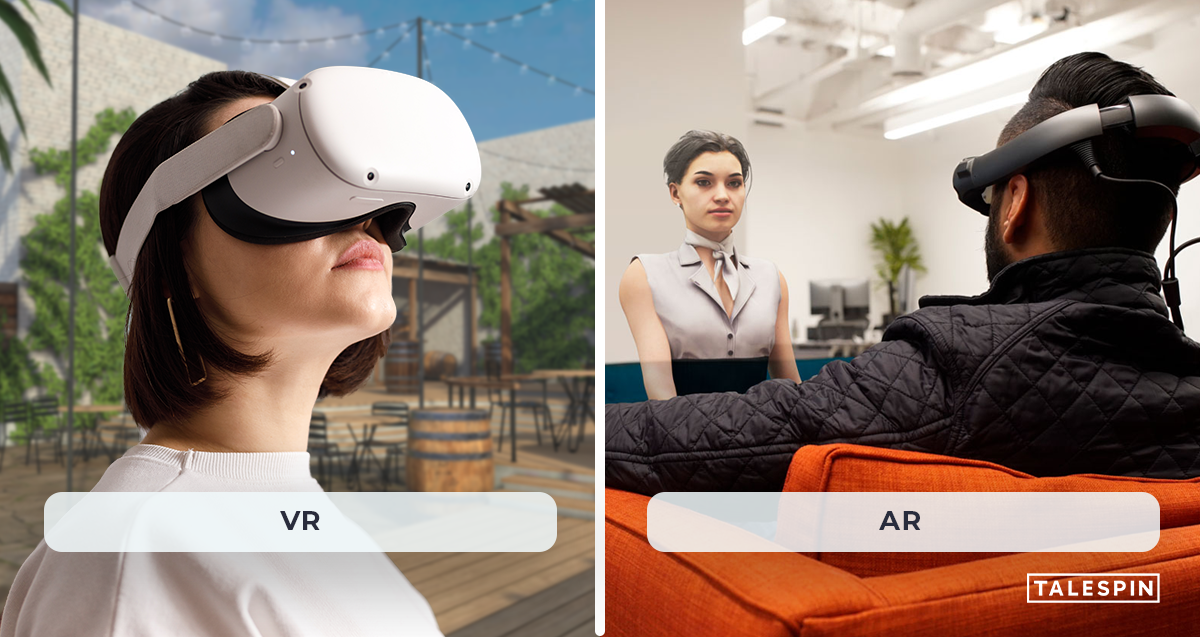
Before we dive into the role of AI, it’s essential to understand what the metaverse is. The metaverse is a collective virtual space that combines augmented reality (AR), virtual reality (VR), and the internet. It allows users to interact with a computer-generated environment and other users in real-time. This interconnected digital universe is not just a single platform but a vast ecosystem of virtual experiences that can be accessed through various devices.
The Role of AI in the Metaverse
AI plays a crucial role in the development and enhancement of virtual experiences within the metaverse. Here are some key areas where AI is making a significant impact:
1. Personalized Virtual Experiences
One of the most exciting aspects of AI in the metaverse is its ability to create personalized virtual experiences. By analyzing user data, AI algorithms can tailor content, environments, and interactions to suit individual preferences. For instance, in a virtual shopping environment, AI can recommend products based on a user’s past behavior, making the experience more engaging and relevant.
2. Intelligent Avatars and NPCs
Artificial intelligence is also revolutionizing the way avatars and non-player characters (NPCs) behave in virtual environments. AI-driven avatars can learn from user interactions, adapting their responses and actions to create more lifelike and engaging experiences. This level of interactivity enhances the overall immersion, making users feel as though they are genuinely part of the virtual world.
3. Enhanced Social Interactions
The metaverse thrives on social interactions, and AI is enhancing these experiences by facilitating communication and collaboration. AI-powered translation tools can break down language barriers, allowing users from different parts of the world to connect seamlessly. Additionally, AI can analyze social dynamics and suggest connections, helping users build meaningful relationships within the virtual space.
4. Dynamic Content Creation
Creating content for the metaverse can be a daunting task, but AI is streamlining this process. AI algorithms can generate realistic environments, objects, and even narratives, allowing developers to focus on higher-level design and creativity. This dynamic content creation not only saves time but also ensures that virtual experiences remain fresh and engaging for users.
5. Realistic Simulations
AI is instrumental in creating realistic simulations within the metaverse. Whether it’s a virtual training environment for professionals or a gaming experience, AI can model complex scenarios that mimic real-world physics and behaviors. This realism enhances the educational and entertainment value of virtual experiences, making them more impactful and memorable.

6. Data-Driven Insights
In the metaverse, data is king. AI can analyze vast amounts of user data to provide insights into behavior, preferences, and trends. This information is invaluable for businesses and developers looking to optimize their virtual experiences. By understanding what users enjoy and how they interact, companies can make informed decisions that enhance engagement and satisfaction.
The Future of AI and Virtual Experiences in the Metaverse
As technology continues to advance, the integration of AI in the metaverse will only deepen. Here are some trends to watch for in the coming years:
1. Greater Interactivity
The future of virtual experiences will see an increase in interactivity, driven by AI. Users will be able to engage with their environments and fellow users in more meaningful ways, creating a sense of agency and presence that is currently unmatched.
2. More Immersive Environments
With advancements in AI and VR technology, virtual environments will become increasingly immersive. Users will be able to experience hyper-realistic graphics, sounds, and haptic feedback, making virtual experiences indistinguishable from reality.
3. AI-Enhanced Creativity
As AI tools become more sophisticated, they will empower creators to push the boundaries of what is possible in the metaverse. Artists, designers, and developers will leverage AI to create unique and innovative virtual experiences that captivate users.
4. Ethical Considerations
As AI continues to shape virtual experiences, ethical considerations will come to the forefront. Issues such as data privacy, algorithmic bias, and the impact of AI on social interactions will need to be addressed to ensure a safe and inclusive metaverse for all users.
Conclusion
The metaverse represents a new frontier in digital interaction, and AI is at the heart of this transformation. By shaping virtual experiences through personalization, intelligent avatars, enhanced social interactions, dynamic content creation, realistic simulations, and data-driven insights, AI is paving the way for a more engaging and immersive digital world.
As we continue to explore the metaverse, it’s essential to recognize the potential of AI to enhance our virtual experiences. By embracing these technologies, we can create a metaverse that is not only innovative but also inclusive and enriching for all users. The future of virtual experiences is bright, and with AI leading the charge, the possibilities are limitless.
In conclusion, as we navigate this exciting landscape, let us remain mindful of the ethical implications and strive to create a metaverse that reflects our values and aspirations. The journey has just begun, and the best is yet to come.