
How Startups Can Leverage AI to Scale Faster with Limited Resources

In today’s fast-paced business environment, startups face the dual challenge of scaling quickly while managing limited resources. The good news is that artificial intelligence (AI) has emerged as a powerful tool that can help startups navigate these challenges effectively. By leveraging AI, startups can optimize their operations, enhance customer experiences, and make data-driven decisions that propel them toward growth. In this blog post, we will explore how startups can leverage AI to scale faster, even with constrained resources.
Understanding the Importance of AI for Startups
Before diving into the strategies, it’s essential to understand why AI is crucial for startups. AI technologies can automate repetitive tasks, analyze vast amounts of data, and provide insights that would be impossible to obtain manually. This capability allows startups to focus on their core competencies while AI handles the heavy lifting. Moreover, AI can help startups identify market trends, understand customer behavior, and personalize offerings, all of which are vital for scaling.
1. Automating Routine Tasks
One of the most immediate ways startups can leverage AI is by automating routine tasks. Whether it’s customer support, data entry, or inventory management, AI-powered tools can take over these repetitive functions, freeing up valuable time for employees to focus on strategic initiatives. For instance, chatbots can handle customer inquiries 24/7, providing instant responses and improving customer satisfaction without the need for a large support team.
Example: Chatbots in Customer Support
Startups like Drift and Intercom have successfully implemented AI chatbots to manage customer interactions. These chatbots can answer frequently asked questions, schedule appointments, and even guide users through the sales funnel. By leveraging AI in customer support, startups can reduce operational costs while enhancing the customer experience.
2. Enhancing Data Analysis
Data is the lifeblood of any startup, but analyzing it can be overwhelming, especially with limited resources. AI can help startups leverage their data more effectively by providing advanced analytics and predictive modeling. By using AI algorithms, startups can uncover hidden patterns, forecast trends, and make informed decisions based on real-time data.
Example: Predictive Analytics
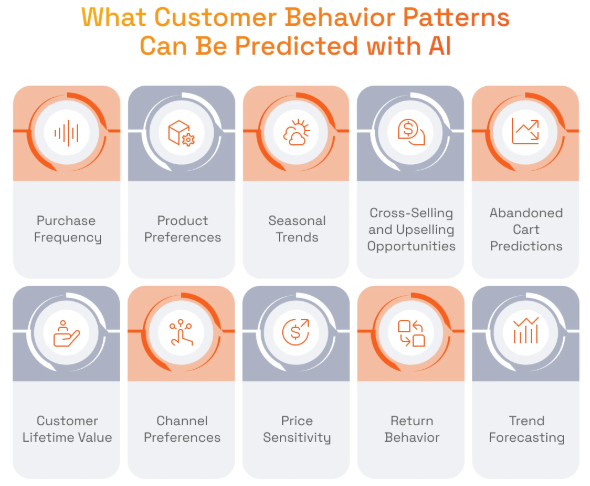
Startups in the e-commerce sector can leverage AI to analyze customer purchasing behavior and predict future buying patterns. Tools like Google Analytics and Tableau can integrate AI capabilities to provide insights that help startups tailor their marketing strategies and inventory management.
3. Personalizing Customer Experiences
In a competitive market, personalization is key to attracting and retaining customers. AI enables startups to leverage customer data to create personalized experiences that resonate with their target audience. By analyzing user behavior, preferences, and feedback, startups can deliver tailored recommendations and content.
Example: Recommendation Engines
Companies like Netflix and Amazon have mastered the art of personalization through AI-driven recommendation engines. Startups can implement similar systems to suggest products or services based on individual customer preferences, leading to increased engagement and sales.
4. Optimizing Marketing Efforts
Marketing is often one of the first areas where startups feel the pressure to perform. AI can help startups leverage their marketing efforts by automating campaigns, analyzing customer data, and optimizing ad spend. With AI tools, startups can target the right audience at the right time, maximizing their return on investment.
Example: AI-Powered Ad Campaigns

Platforms like Facebook and Google Ads offer AI-driven features that allow startups to create highly targeted ad campaigns. By leveraging AI, startups can analyze user behavior and preferences to deliver personalized ads, resulting in higher conversion rates and lower customer acquisition costs.
5. Streamlining Operations
Operational efficiency is critical for startups looking to scale. AI can help streamline various processes, from supply chain management to project management. By leveraging AI tools, startups can identify bottlenecks, optimize workflows, and improve overall productivity.
Example: AI in Supply Chain Management
Startups in the manufacturing or retail sectors can leverage AI to optimize their supply chain operations. AI algorithms can analyze demand patterns, forecast inventory needs, and even suggest optimal shipping routes, reducing costs and improving delivery times.
6. Enhancing Decision-Making
Startups often face tough decisions with limited data. AI can provide valuable insights that enhance decision-making processes. By leveraging AI-driven analytics, startups can evaluate different scenarios, assess risks, and make informed choices that align with their growth objectives.
Example: Scenario Analysis
AI tools can simulate various business scenarios, allowing startups to assess potential outcomes based on different strategies. This capability enables startups to make data-driven decisions that minimize risks and maximize opportunities.
7. Building a Scalable Infrastructure
As startups grow, their infrastructure needs to evolve. Leveraging AI can help startups build a scalable infrastructure that can adapt to changing demands. Cloud-based AI solutions offer flexibility and scalability, allowing startups to access powerful tools without significant upfront investments.
Example: Cloud-Based AI Solutions
Platforms like AWS and Microsoft Azure provide startups with access to AI tools and resources that can scale with their business. By leveraging these cloud-based solutions, startups can implement AI technologies without the need for extensive IT infrastructure.
Conclusion
In conclusion, startups can leverage AI to scale faster and more efficiently, even with limited resources. By automating routine tasks, enhancing data analysis, personalizing customer experiences, optimizing marketing efforts, streamlining operations, enhancing decision-making, and building a scalable infrastructure, startups can position themselves for success in a competitive landscape. As AI continues to evolve, the opportunities for startups to leverage this technology will only grow, making it an essential component of any growth strategy. Embracing AI is not just a trend; it’s a necessity for startups aiming to thrive in today’s dynamic business environment.
By leveraging AI effectively, startups can unlock new levels of efficiency, innovation, and customer satisfaction, ultimately paving the way for sustainable growth and success.